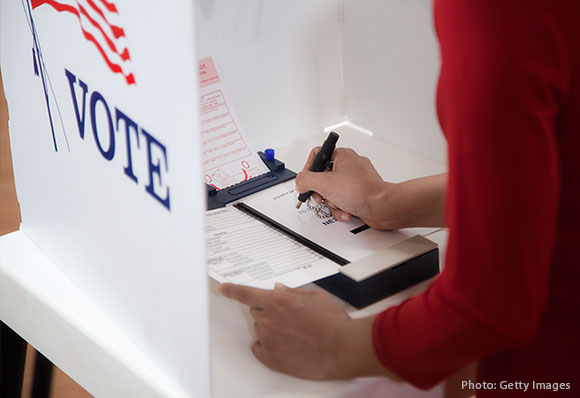

As the summer humidity settles over Washington D.C., Congress is in its August recess, and political attention has shifted to the midterm election primaries across the United States, where Republican and Democratic candidates are being selected for their races in November. What particularly stands out during this primary season is the rapid rise of the Democratic Party’s progressive wing, the Democratic Socialists of America (DSA).
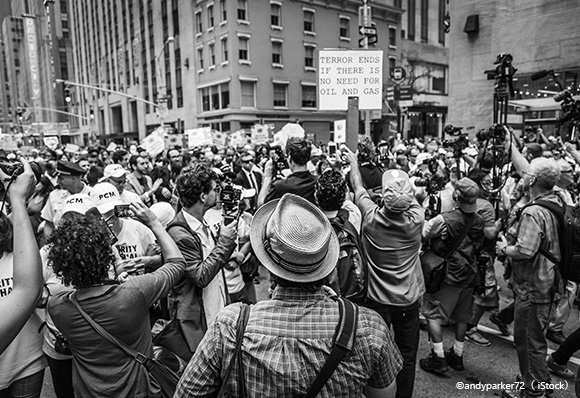
DSA membership has surged from 6,500 members in 2013 to120,000 in 2026, and the movement even counts sitting members of the U.S. House of Representatives among its members. Zohran Mamdani, who took office as mayor of New York City in January, and Abdul El-Sayed, the Democratic Senate candidate for Michigan in this year’s midterm elections, also share many of the DSA’s stances. This is evidence that the political activism and influence of figures who have long represented the left—such as Senator Bernie Sanders and Representative Alexandria Ocasio-Cortez—are gradually expanding.
The DSA’s core policies include universal health care, expanded workers’ rights, and tax increases on the wealthy—all of which are focused on income redistribution. While the movement is gaining support among young people, its membership consists primarily of highly educated individuals who have not been able to reap sufficient economic rewards for their efforts. In other words, these are people who, despite having believed that a good education would lead to a stable, well-paying job, now feel a sense of betrayal. In states like Washington, for example, the unemployment rate among recent college graduates has been higher than the national average, and advances in AI have raised concerns about potential job losses in white-collar sectors. This growing support for the DSA can be seen as a reflection of the increasing number of highly educated people who are anxious about their future.
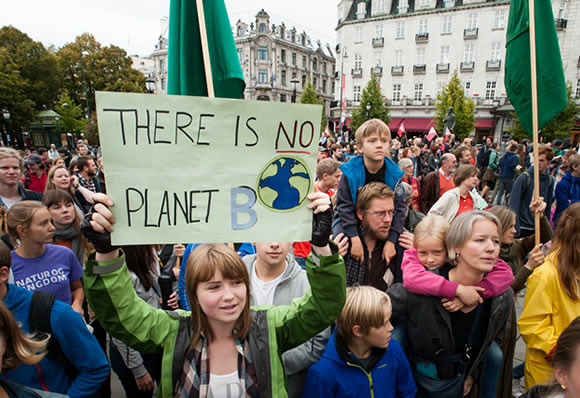
Some of the DSA’s arguments resonate with younger Republicans as well. There is bipartisan consensus on issues such as opposition to data centers, soaring electricity costs, and the difficulty of purchasing a home. Given the deep distrust of the existing political establishment—which is seen as favoring large corporations—and the noted shift away from Trump among younger demographics, itis likely that populist policies will continue to gain support.
Despite this recent uptick in popularity, the reality is that these ideas have not yet become mainstream. Even in the primaries thus far, there have been scattered instances where DSA-affiliated candidates, despite high expectations, have been defeated by centrist or mainstream candidates within the Democratic Party. While the DSA is expanding its support base, particularly among younger generations, its appeal among those aged 60 and older remains limited, revealing a clear generational divide. Underlying this is gerontocracy, or rule by the elderly. True across the political spectrum, the power structure of U.S. politics remains firmly in the hands of the baby boomer generation. Alongside Presidents Biden and Trump—two consecutive presidents both in their eighties—Congress is also growing older. As a result, policies based on outdated values and geared toward the elderly continue, exacerbating inequality and fueling anger among younger generations.