Dispatches from the Potomac#57 | The Iran War: A Turning Point for the Trump Administration?

This is a translation of an article originally written in May 2026 for publication in the July 2026 edition of the Marubeni Group Magazine, M-SPIRIT.

General Manager, Washington DC Office, Marubeni America Corporation    Yusuke Inoue

A Series of Miscalculations

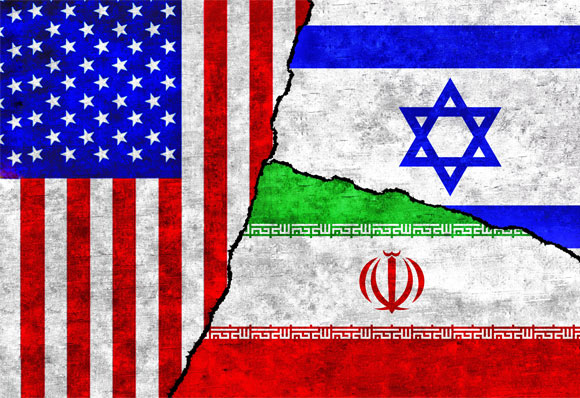
On February 28, the United States, in conjunction with Israel, launched a series of military strikes targeting Iranian nuclear facilities and military bases. During the operation, Ayatollah Khamenei, supreme leader of Iran, was killed. The Trump administration had envisioned a scenario in which Iran, having lost its leader, would collapse from within, allowing the U.S. to secure a victory in a short, decisive conflict.

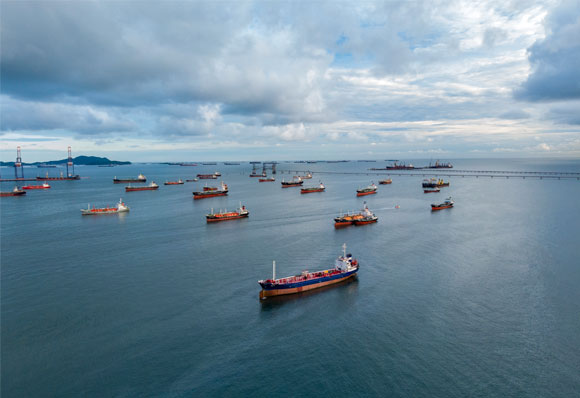
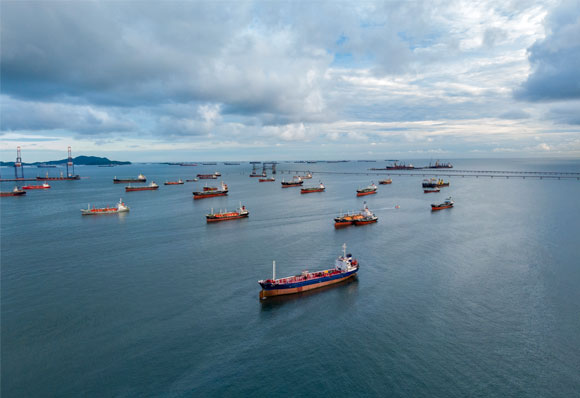
However, reality unfolded quite differently. In Iran, Ayatollah Khamenei’s son, Mojtaba, succeeded him, and the revolutionary regime continues to hold power. Furthermore, Iran immediately launched retaliatory attacks against Gulf states and U.S. military facilities in the region, even going so far as to block the Strait of Hormuz, through which approximately one-quarter of the world’s seaborne oil trade passes. Possessing a greater capacity for retaliation than anticipated, Iran appears poised to make full use of its powerful “trump” card—the Strait of Hormuz—and drag the conflict into a protracted war of attrition.

Although the war was supposed to be short-lived, nearly three months (at the time of writing) have passed with no end in sight. The main reason negotiations toward a ceasefire agreement have stalled is the fundamental clash between the two sides’ demands. While the United States is demanding that Iran immediately halt its nuclear development and hand over its highly enriched uranium, Iran is insisting on guarantees that it will not be attacked in the future, as well as the lifting of sanctions and asset freezes. There is also a significant disparity in the two countries’ positions regarding control of the Strait of Hormuz.

This stalemate is gradually taking a toll on the entirety of the global economy. In addition to rising energy costs—led by soaring crude oil prices—supply shortages of petroleum products and fertilizers are becoming increasingly severe. With no solution in sight, President Trump visited Beijing in mid-May and held a summit with President Xi Jinping. They agreed to establish a “constructive relationship of strategic stability” as a new framework and scheduled future opportunities for dialogue. On the commercial front, CEOs of leading U.S. companies, including those in the tech industry, accompanied the delegation, showcasing efforts to expand exports and strengthen economic ties. Given the ongoing conflict with Iran, it is unrealistic for the Trump administration to continue escalating tensions with China; therefore, it seems that issues where the two sides' interests clash have been put on the backburner.
Crumbling Domestic Support

On the domestic side, the war in Iran has created a subtle rift in the administration’s relations with Congress. Signs of discord are emerging within Trump’s own party: some Republican lawmakers have begun to vote in favor of the repeated resolutions on war powers, despite their historically strong loyalty to the sitting president. Cracks have even begun appearing within the administration itself, despite the steadfast unity previously displayed. In March, Homeland Security Secretary Kristi Noem was dismissed; in April, Attorney General Pam Bondi was replaced; and Labor Secretary Lori Chavez-DeRemer resigned amid an internal investigation into misconduct. Rumors of further leadership changes are circulating, and Trump’s dissatisfaction with his inner circle is growing.

The war in Iran is also casting a serious shadow over the domestic economy. While the United States has limited dependence on the Strait of Hormuz, its economy cannot emerge from the conflict entirely unscathed. The current average domestic gasoline price exceeds $4.50 per gallon, with no prospect of a return to the prewar $3 range. As the summer travel season begins, airfare costs are soaring, and prices for groceries and daily necessities remain high. Long-term interest rates have also risen to levels not seen since before the 2008 financial crisis.

At the beginning of the conflict, about 60% of voters opposed the war with Iran, but the fact that the consequences of foreign policy are affecting their daily lives is fueling further pessimism. Due to dissatisfaction with both foreign and economic policies, an increasing number of polls clearly show Trump’s approval rating falling below 40%. When looking back at this period, it appears increasingly likely that the war with Iran will mark a turning point for the Trump administration.

Only six months remain until the U.S. midterm elections in November. Although Republicans currently hold a narrow majority in both the House and the Senate, they can expect to lose ground if the current situation continues. If they do lose their majority, the Democrats, having gained control of Congress, will likely investigate the validity of the Trump administration’s policies to date and its ties to the corporate sector. To avoid getting backed into this corner, Trump could revise his policies in an effort to recover his approval ratings. However, doing so would mean admitting to his own missteps and potentially damaging his legacy.
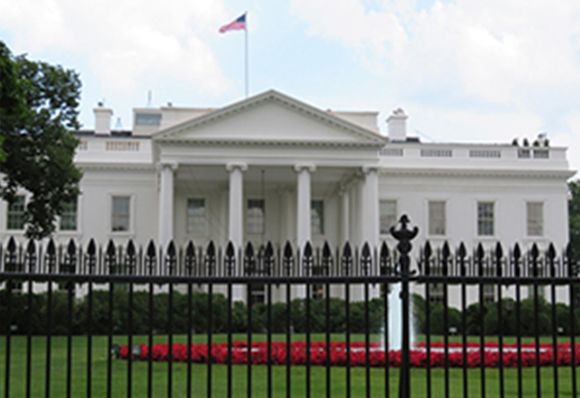
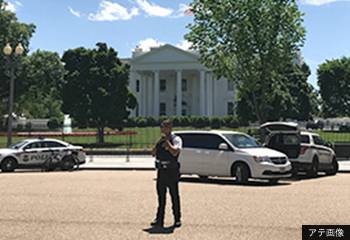
On July 4, the U.S. will celebrate its 250th anniversary, accompanied by many events to commemorate the occasion. Projects that will significantly transform Washington D.C.’s landscape are also underway, including renovations to the White House ballroom, the construction of the world’s largest triumphal arch, and the repainting of the Lincoln Memorial Reflecting Pool. As election campaigns enter full swing in September, people in both the U.S. and around the world will ask, what is Trump—who prioritizes winning above all else—thinking, and what choices will he make?