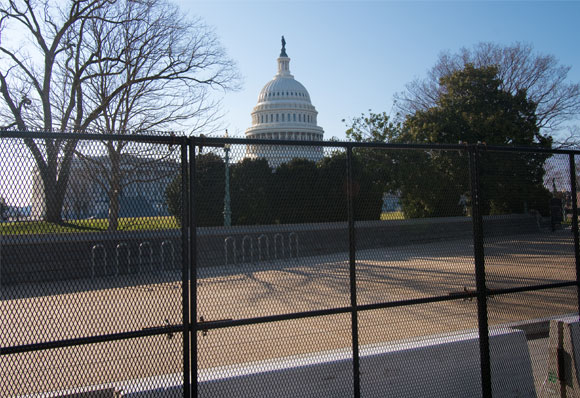
The longest federal government shutdown in U.S. history, which began on October 1, finally came to an end on November 12. While Democrats initially opposed the Republican-led budget proposal, several Democratic lawmakers broke ranks to support a temporary funding measure, paving the way for the shutdown’s resolution. In exchange for their cooperation, Democrats reportedly secured key concessions, including a commitment to hold a Senate vote by the end of 2025 on rehiring government employees furloughed during the shutdown and extending premium tax credits for the Affordable Care Act (commonly known as Obamacare), which (as of this writing) are set to expire on December 31.
The shutdown, however, took a visible toll on the American public. Delays in food assistance for low-income families and air traffic controller shortages that led to flight cancellations brought the impact of the impasse into sharp focus. These disruptions, alongside growing frustration among lawmakers, helped shift the political calculus. Republicans, who had maintained a hardline stance throughout the shutdown, ultimately saw their position prevail, while Democrats—who struggled to maintain unity—capitulated in the end.
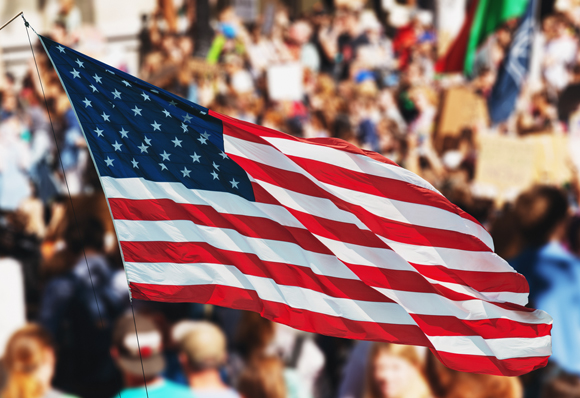
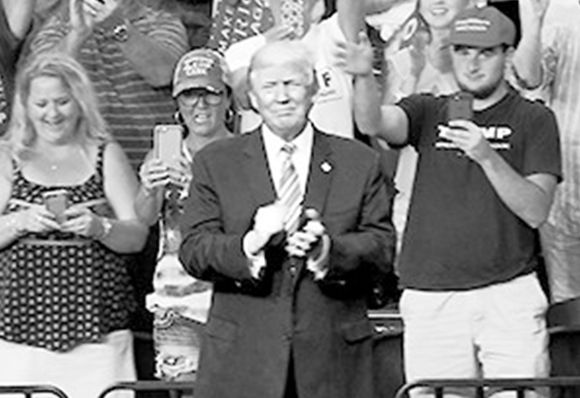
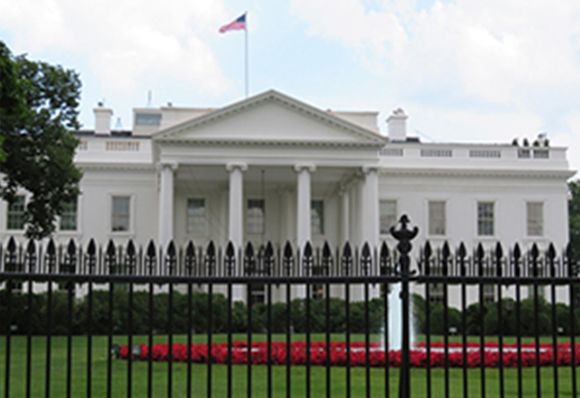
What effects did this 43-day shutdown bring? The Trump administration and congressional Republicans’ hardline approach proved successful, highlighting the concentration of GOP power in the White House while underscoring the Democrats’ sense of helplessness. Meanwhile, the Democrats once again revealed internal divisions and a lack of leadership, as some members of the Democratic Caucus broke ranks to accept the Republican proposal. This fractured response dampened the momentum of the anti-Trump protest movement, which had been gaining traction with its “No Kings” slogan and after Democratic candidates won the gubernatorial elections in Virginia and New Jersey on November 4 by larger-than-expected margins. Part of this sense of disappointment is attributable to the Democrats’ failure to push their demands, particularly regarding extending the Obamacare subsidies (which, according to one public opinion poll, 70% of voters support), through to the end.