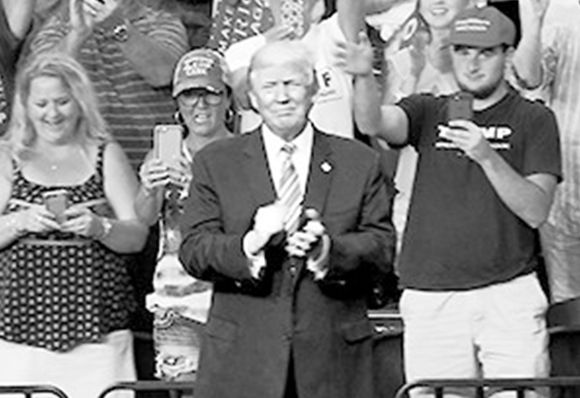
2026 began with a shocking international military intervention: On January 3, U.S. special forces struck the Venezuelan capital of Caracas, detained Venezuelan President Maduro and his wife, and brought them to the United States to be put on trial. Even more surprising were the rapid developments that followed, particularly the announcement that the U.S. would now manage Venezuela, with Vice President Rodríguez assuming the role of interim president. U.S. President Trump praised the overwhelming military capability of the U.S. forces and seemed highly satisfied with his own decisiveness and ability to act. Approximately one month prior to this incident, the Trump administration had released its National Security Strategy (NSS), championing an “America First” policy—one aimed at eliminating the influence of external powers from the Western Hemisphere, drawing significant attention to the future of U.S. engagement in the region.
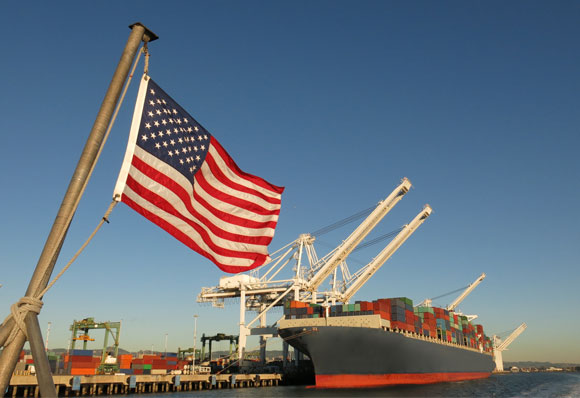
Immediately after the Venezuela incident, Trump turned his attention back to the sovereignty of Greenland, in which he has shown a keen interest since the beginning of his administration. Just before the World Economic Forum (WEF) in Davos, he reiterated the need for U.S. control of the territory. Greenland, also located in the Western Hemisphere, is considered to be of great military and economic importance to the United States due to its deposits of rare earths and other important minerals, its proximity to Arctic Sea shipping routes, and its potential for missile defense. However, the island is a self-governing territory of Denmark, a NATO member, and is very different from Venezuela in that it is not hostile to the U.S. Trump nevertheless indicated his intention to impose tariffs on Denmark and other major European countries that oppose U.S. actions, whether in Greenland or elsewhere, as a retaliatory measure. Despite the Greenland situation de-escalating as a result of the immediate proposal of a framework deal, Trump’s actions and rhetoric have left a rift in transatlantic relations. As indicated in Canadian Prime Minister Carney’s speech at the WEF, the view that the postwar U.S.-led international order will not return to its former state is beginning to gain prominence.